Sources and prices verified October 2026

BPC-157 and TB-500 Stack in 2026 - Research Pricing and Vendor Data

Research-backed data on the BPC-157 and TB-500 peptide stack. Published study summaries, vendor pricing per milligram and independent product comparisons in one place.

6products compared
16guides and explainers
2026last full update

Current top picks

Ranked on the criteria below. Prices and ratings come from the merchant pages.

1
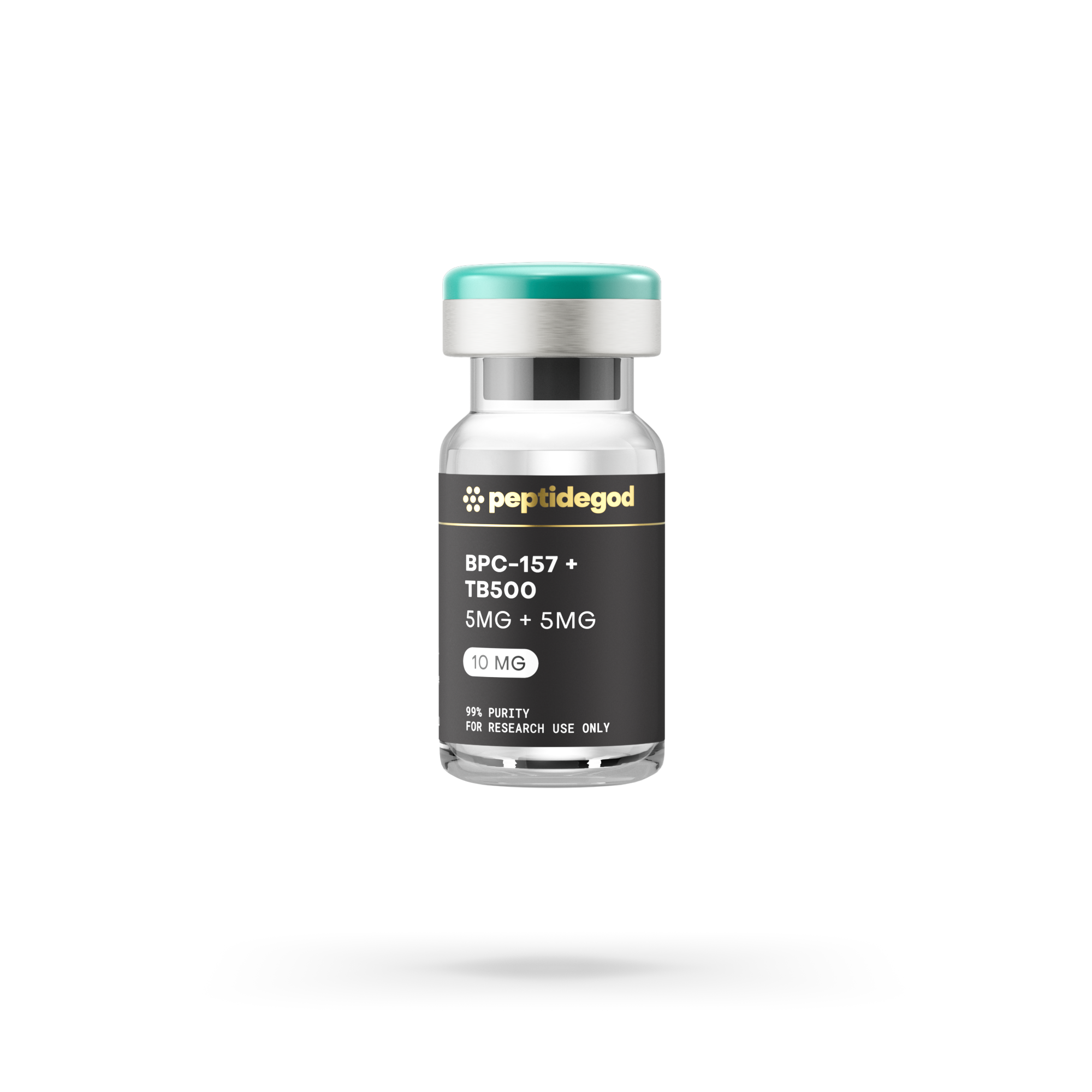
Editor's Pick BPC-157 + TB500
Peptide God

BPC-157 + TB500

4.0 our rating

Pre-mixed BPC-157 and TB-500 blend in one vial, two size options from PeptideGod.

Price$59.95 (5mg) / $99.95 (10mg)
FormLyophilized blend
BrandPeptide God
CategoryRecovery & Healing
Pre-mixed blend saves handling two vials
Two sizes available (5mg at $59.95 and 10mg at $99.95)
Ships to 28 countries with broad international reach
No COA or third-party purity documentation on product page
Cannot adjust individual peptide ratios in the blend
2
BPC-157
Peptide God

BPC-157

3.8 our rating

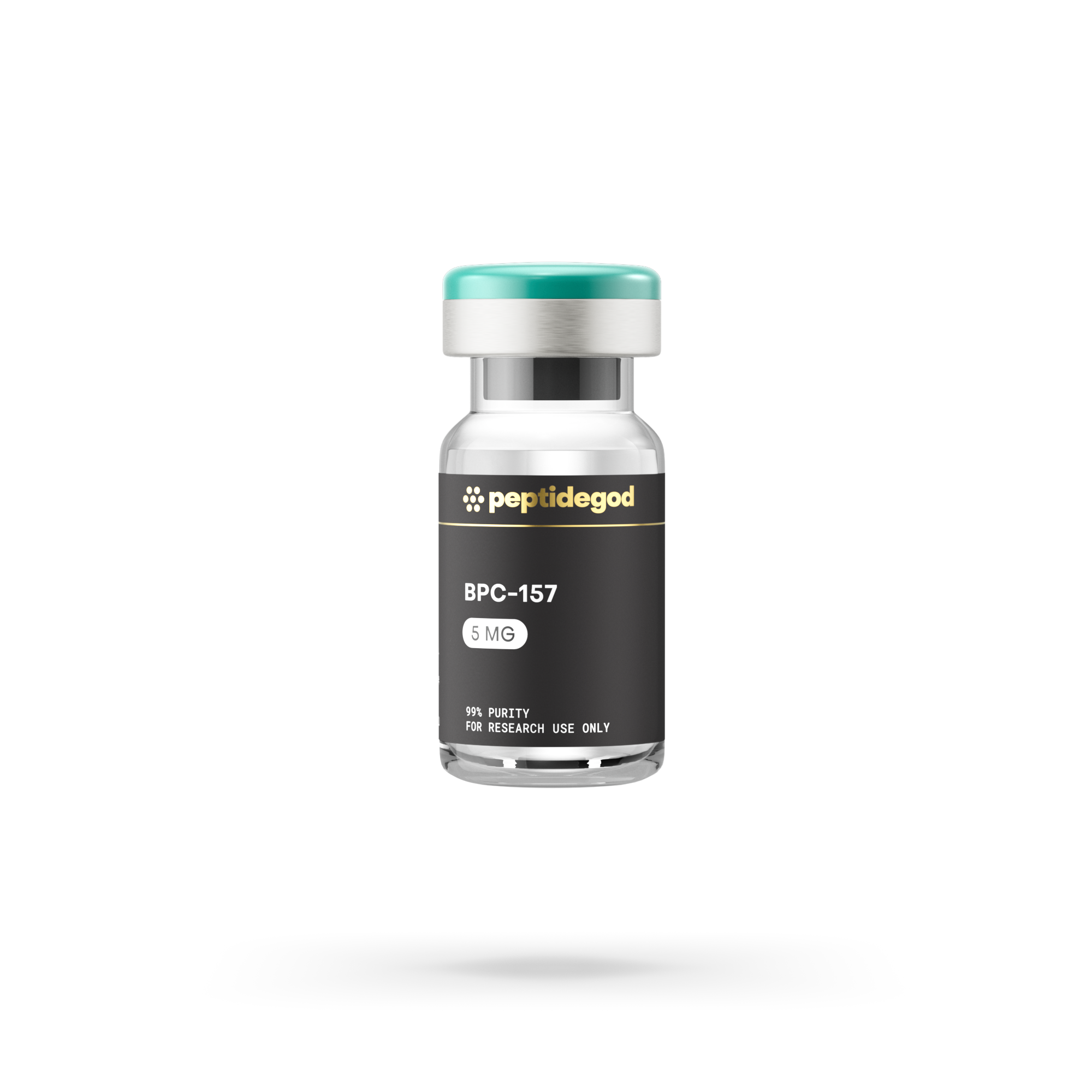
BPC-157 lyophilized vial from PeptideGod with 5mg and 10mg size options.

Price$34.95 (5mg) / $59.95 (10mg)
FormLyophilized vial
BrandPeptide God
CategoryRecovery & Healing
Two size options (5mg at $34.95 and 10mg at $59.95)
Ships to 28 countries including US, UK, EU and Asia-Pacific
From a vendor with a broad peptide catalog
No COA or third-party purity data published on the product page
Product description on listing is minimal
3
TB500
Peptide God

TB500

3.7 our rating

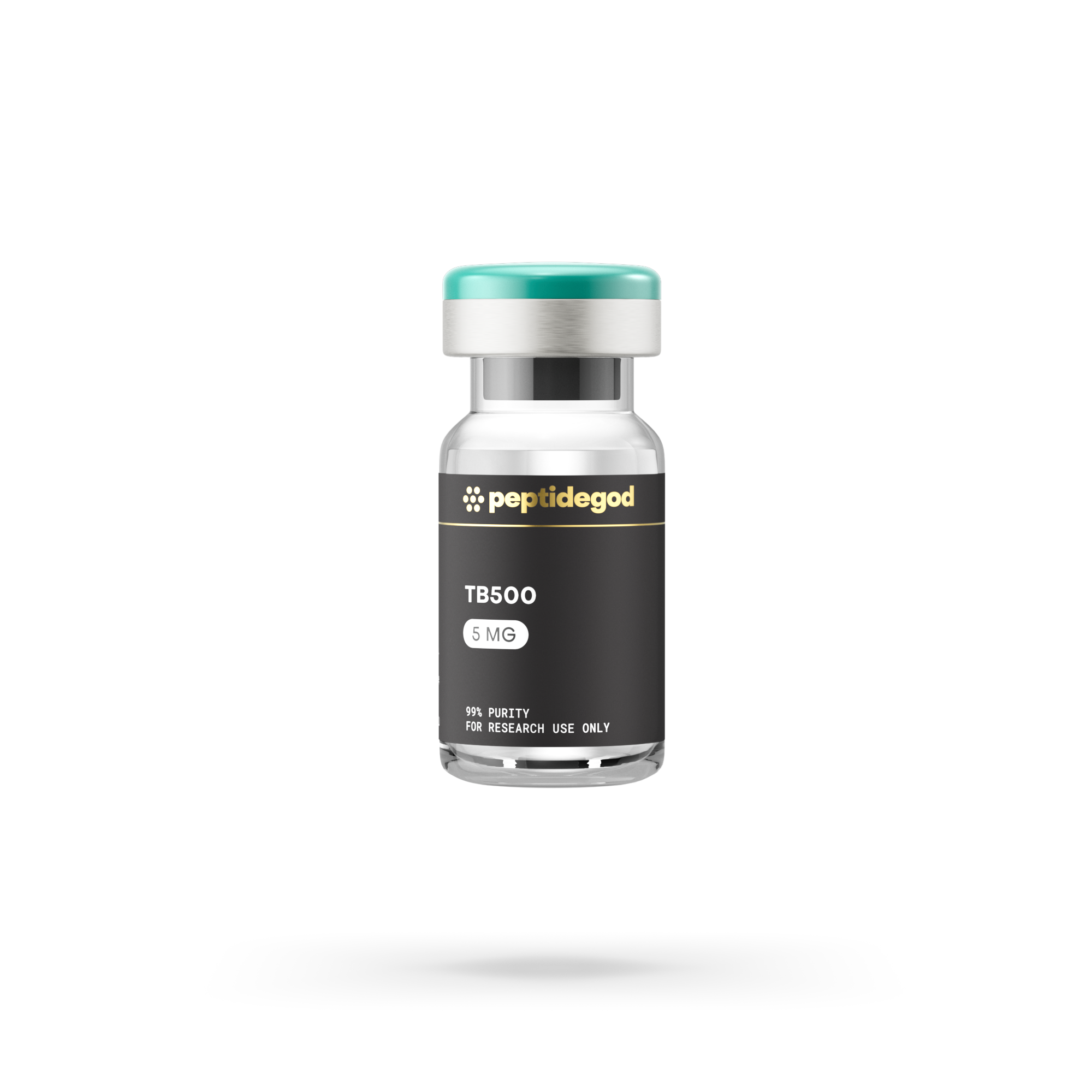
TB-500 (Thymosin Beta-4) lyophilized vial from PeptideGod in 5mg and 10mg sizes.

Price$35.00 (5mg) / $65.00 (10mg)
FormLyophilized vial
BrandPeptide God
CategoryRecovery & Healing
Two size options (5mg at $35.00 and 10mg at $65.00)
Ships internationally to 28 countries
Part of PeptideGod's recovery and healing peptide line
No COA or third-party purity data published on the product page
Product details on the listing are sparse
4
BPC-157 Peptide 10mg
Real Peptides

BPC-157 Peptide 10mg

4.3 our rating

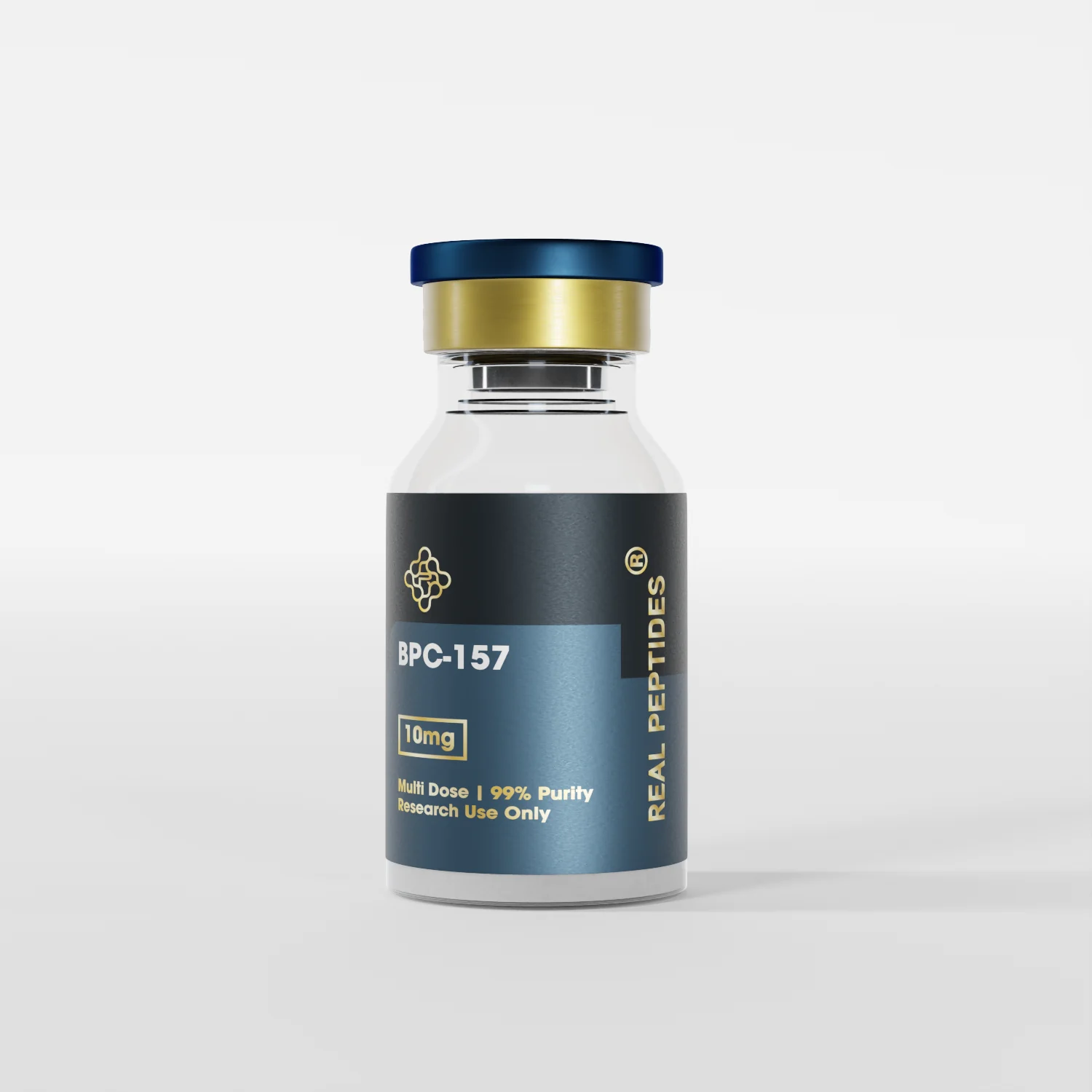
BPC-157 10mg vial from Real Peptides with published COA and HPLC purity verification.

Price$43.20 (sale)
Amount10mg
Purity>=99% HPLC
BrandReal Peptides
HPLC-verified >=99% purity with endotoxin screening
Published lot COA available before purchase
US-finished with 24-hour shipping from US stock
Currently listed as out of stock on the merchant page
$43.20 sale price (regular $86.40) may change when sale ends
5
TB-500 Peptide 10mg
Real Peptides

TB-500 Peptide 10mg

4.2 our rating

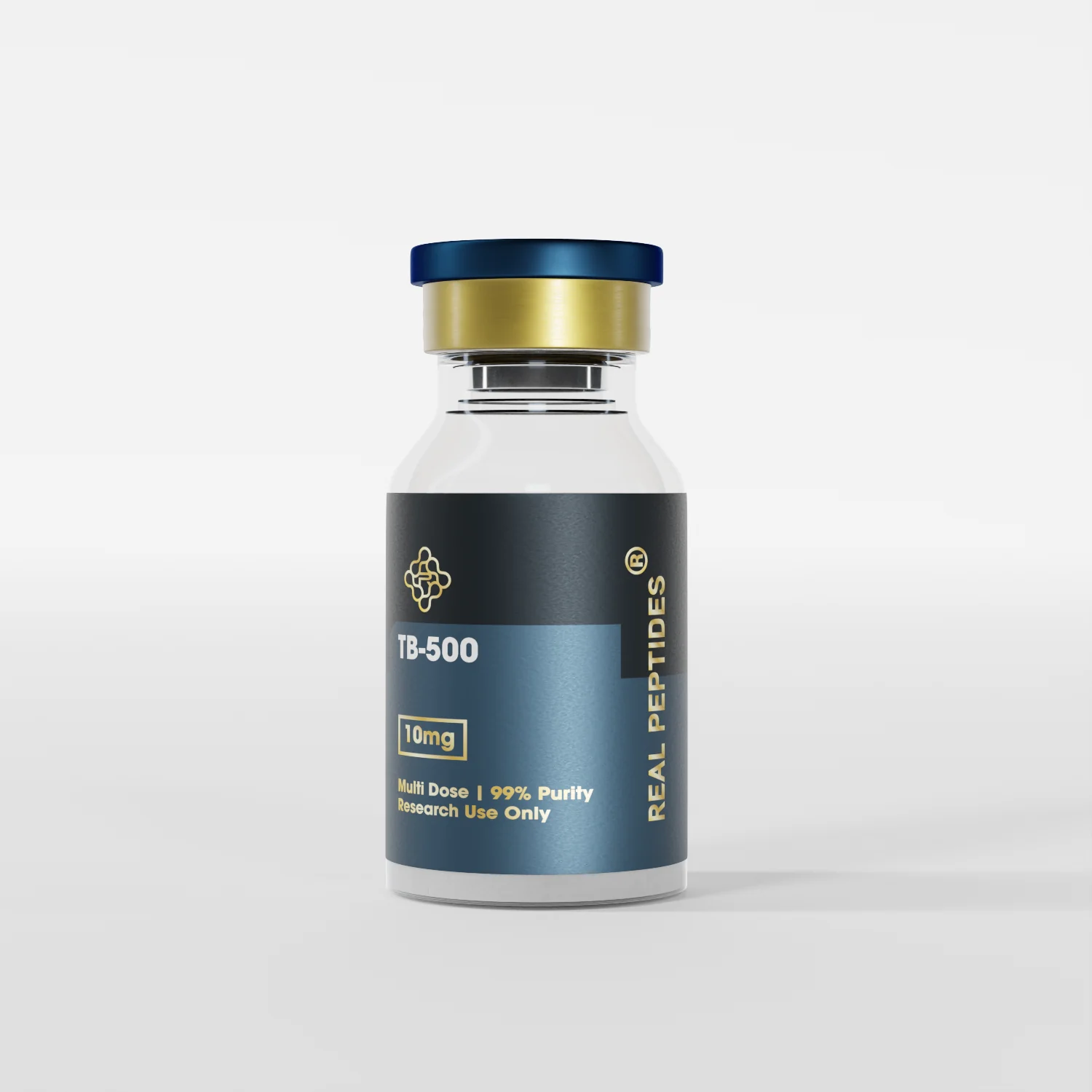
TB-500 (Thymosin Beta-4) 10mg vial from Real Peptides with published COA and independent testing.

Price$48.00 (sale)
Amount10mg
Purity>=99% HPLC
BrandReal Peptides
HPLC-verified >=99% purity with endotoxin screening (<0.1 EU/mg)
Published lot COA available before purchase
US stock ships within 24 hours
$48.00 sale price (regular $96.00) subject to sale ending
Ships to US only based on product page
6
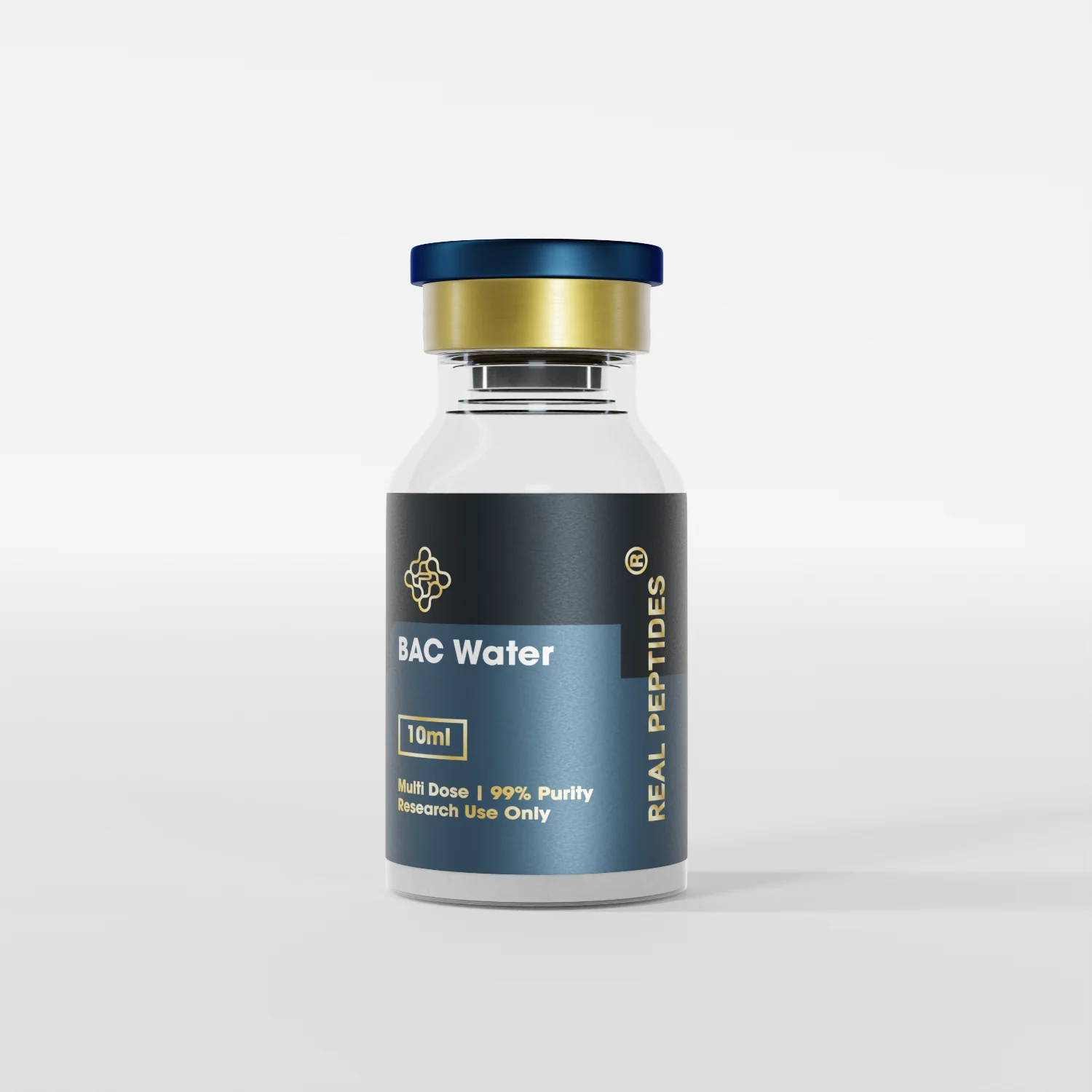
Bacteriostatic Water 10ml
Real Peptides

Bacteriostatic Water 10ml

4.0 our rating

Bacteriostatic water for peptide reconstitution, 10ml vial from Real Peptides at $4.80.

Price$4.80 (sale)
Size10ml
Preservative0.9% Benzyl Alcohol
BrandReal Peptides
USP-grade quality with 0.9% benzyl alcohol preservative
$4.80 sale price is very competitive
Published COA and sterility documentation
$4.80 sale price (regular $9.60) may not be permanent
Single 10ml size option

What we look at

Third-party testing

We look for a batch-level certificate of analysis published by the merchant.

Stated purity and fill

Purity percentage and milligrams per vial as stated on the product page.

Labeling and storage info

Clear research-use labeling, lot numbers and storage instructions.

Cost per milligram

Vials compared on price per milligram, not on sticker price.

The BPC-157 and TB-500 peptide stack has become one of the most discussed combinations in preclinical peptide research. Commonly called the "wolverine stack" in online forums, the pairing of these two peptides draws interest because each one has been studied independently for tissue-repair activity in animal models. We built this site to organize what the published literature actually says about the bpc 157 tb500 combination, compare the products available from US-based vendors and present pricing per milligram so researchers can evaluate these compounds on documented facts rather than marketing language.

What Is the BPC-157 + TB-500 Stack

BPC-157 at a Glance - Sequence, Origin, Study Focus

The synthetic pentadecapeptide known as BPC-157 (Body Protection Compound-157) has a sequence of GEPPPGKPADDAGLV and a molecular weight of 1419.53 g/mol. It was first discovered in a protein from human gastric juice by researchers from the University of Zagreb, Croatia. Most studies published on BPC-157 were conducted by this research group. The peptide has undergone experimental tests on rodents involving the gastro-intestinal, musculoskeletal , central nervous and cardiovascular systems. Its unique characteristic lies in remaining stable at low pH values of 1-2 for over 24 hours – a capability not shared by the majority of other peptides. BPC-157 has not been approved by any regulatory body, including the FDA.

TB-500 (Thymosin Beta-4) at a Glance

TB-500 is a synthetic fragment of Thymosin Beta-4 (TB4), a 43-amino-acid protein that plays a role in cell migration, proliferation and differentiation. The active region most commonly sold as TB-500 centers on the sequence LKKTETQ, which is the actin-binding domain of the parent molecule. Thymosin Beta-4 was originally identified in thymus extracts and has been studied for its role in wound repair, cardiac tissue recovery and inflammatory modulation. Like BPC-157, the research base consists primarily of animal studies and cell culture experiments. TB-500 is prohibited by WADA under the S0 category (Non-Approved Substances) and has no FDA-approved therapeutic use.

Why Researchers Pair Them - the Wolverine Stack Concept

The term "wolverine stack" originates from internet peptide forums and is inspired by the superhero’s remarkable ability to heal. The premise is simple: while BPC 157’s purpose such as vascular promotion and protective functions has been explored, TB 500 was examined regarding cellular migration and inflammatory processes. Bring them together, and it turns out that solutions to the constrained tissue recovery have been found. However, it is important to remember that this approach is not verified in any research that employed both BPC 157 and TB 500. Instead, the current explanation is based on data unrelated to the combination of peptides that has never been tested together. Our stacking benefits page elaborates on the rationale and its limitations.

BPC-157 + TB-500 Stack at a Glance
BPC-157 sequence
GEPPPGKPADDAGLV (15 amino acids)
TB-500 active region
LKKTETQ (actin-binding domain)
BPC-157 molecular weight
1419.53 g/mol
Thymosin Beta-4 length
43 amino acids
Combined study data
No published combination studies
FDA status
Neither peptide approved for human use
WADA status
Both prohibited (S0 category)

What Published Studies Show About Each Peptide

BPC-157 - Preclinical Research Summary

More than 100 papers reference BPC-157, and the overwhelming majority use rodent models. A frequently cited study demonstrated accelerated Achilles tendon healing in rats after subcutaneous administration at 10 mcg/kg, with treated tendons showing increased load to failure and stiffness compared to controls (Chang et al., 2011). Gastric protection studies showed that BPC-157 reduced mucosal lesion area caused by ethanol and NSAIDs in rats at 10 mcg/kg through both oral and intraperitoneal routes (Sikiric et al., 1999). Separate work reported angiogenic activity, with BPC-157 promoting endothelial cell proliferation and tube formation through VEGFR2 signaling (Seiwerth et al., 2014). These are consistent findings across multiple rodent experiments, but none of them have been replicated in a controlled human trial.

TB-500 - Preclinical Research Summary

Thymosin Beta-4 research spans cardiac, dermal and musculoskeletal models. In a mouse model of myocardial infarction, intraperitoneal injection of 150 mcg of Thymosin Beta-4 reduced scar size and improved cardiac function compared to saline controls (Bock-Marquette et al., 2004). Dermal wound healing studies in rats showed that topical application of TB-500 accelerated wound closure and re-epithelialization (Malinda et al., 1999). The proposed mechanism centers on TB-500 sequestering G-actin monomers, which facilitates cell migration into damaged tissue. As with BPC-157, the evidence base is preclinical. No large-scale randomized human trial of TB-500 or Thymosin Beta-4 has been completed for a tissue-repair indication.

Data on the Combination - What Exists and What Does Not

We searched PubMed, Google Scholar and ClinicalTrials.gov for studies testing BPC-157 and TB-500 (or Thymosin Beta-4) together in the same experimental protocol. As of October 2026, we found no published study that administered both peptides simultaneously in a single animal model or cell culture experiment. The bpc 157 tb500 stack, as it is sold and discussed in online communities, has no direct experimental support for additive or synergistic effects. This does not mean the combination is harmful or ineffective. It means the data does not exist yet. Researchers considering this combination should understand that any expected benefit is extrapolated from separate studies on separate peptides in separate models. For a full comparison of how the two peptides differ, see our BPC-157 vs TB-500 page.

PeptideStudy ModelRouteDoseKey FindingSource
BPC-157Rat Achilles tendon transectionSubcutaneous10 mcg/kgIncreased tendon load to failure and stiffnessChang 2011
BPC-157Rat gastric lesions (ethanol/NSAID)Oral / IP10 mcg/kgReduced mucosal lesion area, maintained vascular integritySikiric 1999
BPC-157In vitro endothelial cellsCell cultureVariedPromoted angiogenesis via VEGFR2 pathwaySeiwerth 2014
TB-500Mouse myocardial infarctionIP150 mcgReduced scar size, improved cardiac functionBock-Marquette 2004
TB-500Rat dermal woundTopicalVariedAccelerated closure and re-epithelializationMalinda 1999
BPC-157 + TB-500NoneN/AN/ANo published combination study existsN/A

Product Comparison Table

The following table covers BPC-157 and TB-500 products from two US-based vendors: PeptideGod and Real Peptides. Every data point comes directly from each vendor's product page as of October 2026. PeptideGod sells the peptides individually and as a pre-made blend. Real Peptides sells them individually. The table includes pricing, stated amounts, purity documentation and current stock status. For dosage data from published studies, see our dedicated page.

ProductBrandSizePricePrice/mgPurityCOA PublishedStock
BPC-157+TB500 BlendPeptideGod5mg$59.95$11.99Not statedNoIn stock
BPC-157+TB500 BlendPeptideGod10mg$99.95$10.00Not statedNoIn stock
BPC-157PeptideGod5mg$34.95$6.99Not statedNoIn stock
BPC-157PeptideGod10mg$59.95$6.00Not statedNoIn stock
TB500PeptideGod5mg$35.00$7.00Not statedNoIn stock
TB500PeptideGod10mg$65.00$6.50Not statedNoIn stock
BPC-157Real Peptides10mg$43.20$4.32>=99% HPLCYes, per lotOut of stock
TB-500Real Peptides10mg$48.00$4.80>=99% HPLCYes, per lotIn stock
Bacteriostatic WaterReal Peptides10ml$4.80N/AUSP-gradeYesIn stock
Price per Milligram Comparison
PeptideGod Blend 5mg11.99 $
PeptideGod Blend 10mg10 $
PeptideGod BPC-157 5mg6.99 $
PeptideGod TB500 5mg7 $
PeptideGod BPC-157 10mg6 $
PeptideGod TB500 10mg6.5 $
Real Peptides BPC-157 10mg4.32 $
Real Peptides TB-500 10mg4.8 $
Source: vendor product pages, October 2026. Blend price/mg based on total combined weight.

How We Rank These Products

Testing and Purity Documentation

The most significant point of difference between the vendors we’ve sighted in this text is whether or not a Certificate of Analysis is made available prior to purchase. Real Peptides makes available lot-specific Certificates of Analysis (COA) for every peptide product, along with HPLC purity verification and endotoxin testing. The COA of BPC-157 shows at least 99% purity. The COA of TB-500 follows the same method of testing. PeptideGod does not publish any COAs on its product pages. This doesn’t necessarily mean that those products have not been tested, but it means that we cannot verify purity from the information provided. We place a huge emphasis on the availability of COAs when we prepare our rankings, and this is due to the fact that contamination is a common problem with research peptides, and purity issues could cause certain effects that are not related to the peptide itself.

Price per Milligram Math

Sticker price is misleading when vial sizes differ. Price per milligram is calculated for every product using the formula: listed price divided by stated milligrams. For the bpc 157 tb500 blend from PeptideGod, the 5mg vial works out to $11.99/mg and the 10mg vial to $10.00/mg. Buying BPC-157 and TB-500 separately from Real Peptides at 10mg each costs $43.20 + $48.00 = $91.20 for 20mg total ($4.56/mg average), which is less per milligram than either blend option. The trade-off is convenience: a single blend vial is simpler to handle than two separate vials requiring individual reconstitution. Our where to buy page walks through the full cost comparison.

Labeling and Product Information

Analysis is conducted on each vendor's product page in terms of vial size defined in milligrams, presence of storage instructions, mentioning of carrier/excipient (if applicable) and stating the purpose of the product. Real Peptides provides all of the mentioned specifications in addition to SKU for each product. PeptideGod specifies vial size and pricing levels on its pages but does not elaborate on storage instructions or composition of items. Both vendors, however, designate products for research purposes.

$4.32lowest price/mg (Real Peptides BPC-157)
$11.99highest price/mg (PeptideGod Blend 5mg)
2vendors tracked
0published combination studies
Study-Cited DataEvery claim links to a published study or regulatory database
Price per MilligramVendor pricing compared with full arithmetic from live pages
IndependentNo brand sponsors or paid placements influence our content

FAQ - BPC-157 and TB-500 Stack

What is the wolverine stack?

The term "wolverine stack" informally refers to the use of BPC-157 with TB-500. This term originated from online communities focusing on peptides and is connected to the Marvel character Wolverine and its regenerative ability. The term is used for marketing purposes and is not an actual scientific term. There is no published sources that have been done using the term "wolverine stack". The idea behind the wolverine stack is that BPC-157 and TB-500 have separate modes of action but there are no studies linking these two substances and confirming their combination.

Is BPC-157 + TB-500 FDA approved?

No. Neither BPC-157 nor TB-500 is approved by the FDA for any therapeutic use in humans. The FDA has defined BPC-157 as one of bulk drug substances that can create serious risks to safety in compounding. Both compounds can be available through research chemical stores as substances used for research only instead of human use. Both substances are banned by WADA in S0 category for athletes tested during competitions.

What do published studies show about stacking BPC-157 and TB-500?

BPC-157 and TB-500 have never been studied together in any of the published literature. The literature regarding the effects of each peptide is limited to animal studies and cell cultures. Results related to BPC-157 show that the peptide has applications in tendon healing, gastroprotection and angiogenesis in studies performed in rats. Research performed on TB-500 indicates its role in cardiac repair, wound healing and cell migration in rats and mice. The alleged effectiveness of the combination of the two peptides is an assumption which has not been confirmed through scientific experiments yet.

Where can I buy BPC-157 and TB-500 for research?

There are two vendors based in the US for this report; PeptideGod and Real Peptides. PeptideGod has BPC-157 and TB-500 as individual vials, as well as a pre-blended BPC-157/TB-500 mix in sizes of 5mg and 10mg. Real Peptides offers BPC-157 (10mg currently out of stock) and TB-500 (10mg available) with COAs available for both products. Real Peptides is also selling USP-grade bacteriostatic water for $4.80 per 10ml vial. Both prices and availability status was verified by visiting the vendors' product websites in October 2026.

What is the price per milligram for BPC-157 + TB-500 blends?

PeptideGod's BPC-157+TB500 blend costs $11.99 per milligram for the 5mg vial ($59.95) and $10.00 per milligram for the 10mg vial ($99.95). These prices are calculated from total combined weight, and the ratio of BPC-157 to TB-500 within the blend is not specified on the product page. Purchasing the peptides separately from Real Peptides at their 10mg sizes would cost $4.32/mg for BPC-157 and $4.80/mg for TB-500, a lower per-milligram cost with the added benefit of knowing exactly how much of each peptide you have.

TB-500 and BPC-157 are not permitted for human usage by FDA and other authorities. They are sold only as research substances designed for use in experimental settings. This website does not provide medical suggestions, treatment options, or recommendations for consuming products. Anyone thinking of using these as well as other research peptides should seek medical advice from trained medical professionals.

Reviewed by our experts

Every guide and ranking on this site is checked by a named reviewer before it is published.

SM
Lead Reviewer & Registered Dietitian
View profile
JR
Sports & Fitness Reviewer
View profile
EK
Beauty & Wellness Editor
View profile